Subject
Abandoned places
Three things empty a place in the American West: the ore runs out, the water fails, or the government moves everybody somewhere else. All three left sites you can visit.
Why places here empty out
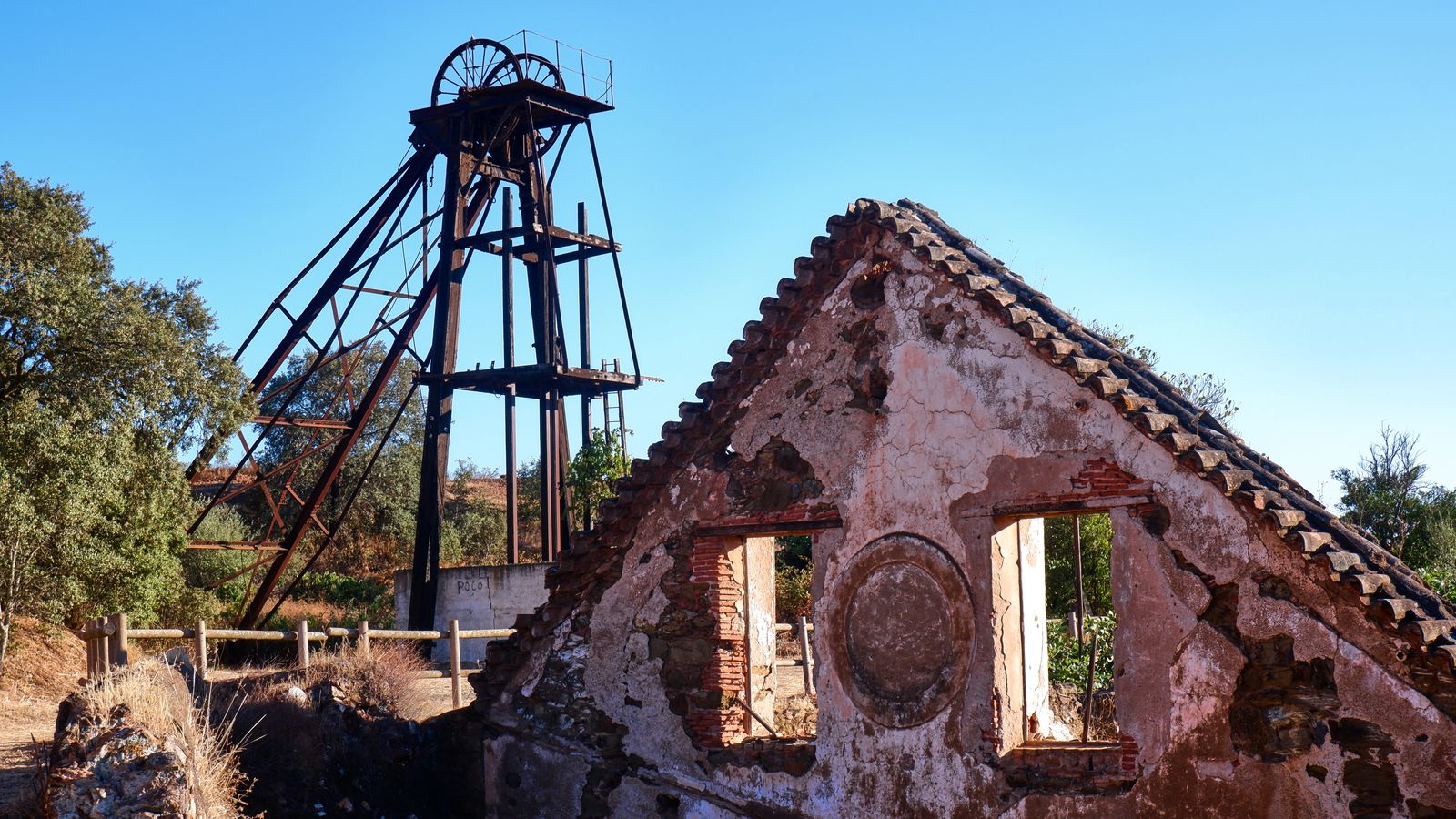
The ore. Mining settlements were built to be temporary and behaved accordingly. A camp of three thousand could be down to a hundred within five years of the assay turning. Gold Hill in Utah did it twice, boom and collapse, on two different minerals a generation apart.
The water. Settlement in the Great Basin depended entirely on springs, and a spring that fails ends the argument. Most of the Pony Express stations exist where they do for exactly this reason, and most of them are gone for it too.
The decision. Iosepa emptied in 1917 because the church that founded it announced a temple in Hawaii. Topaz was built to hold people who had been removed from their homes by executive order, and emptied when the war ended. Neither was economics.
Sites covered
What will actually hurt you
Open shafts are the obvious one and they are rarely fenced on older workings. Less obvious: mill and smelter sites hold arsenic, lead and mercury in the surface soil, and Gold Hill in particular produced arsenic commercially. Do not dig, do not pocket souvenirs, and wash before you eat.
Structures rot from the roof down and from the sill up, so a building that looks sound from the outside can have nothing holding the floor. There is no reason to go inside anything.
In the western Utah desert the real risk is simpler than any of that. There is no fuel for a hundred miles, no water, and phone coverage is a rumour. See the driving notes on the Pony Express route before you commit to a crossing.
Common questions
- Why do so many American towns empty out completely?
- Three reasons dominate. The ore runs out, and mining settlements were built to be temporary. The water fails, which in the Great Basin ends the argument immediately. Or a decision empties the place: Iosepa in Utah was abandoned in 1917 after the church that founded it announced a temple in Hawaii.
- Is urban exploring of abandoned buildings legal?
- Entering a structure you do not own is trespass in every state, regardless of how derelict it looks. Sites managed by a state park or the Bureau of Land Management set their own access rules and post them. This guide covers places you can visit lawfully and does not publish coordinates for unprotected sites.
- What actually makes an abandoned site dangerous?
- Contamination is the underrated one. Mill and smelter ground holds arsenic, lead and mercury, and Gold Hill in Utah produced arsenic commercially. After that: unmarked shafts, rotten floors, and in remote desert the simple absence of fuel, water and phone coverage for a hundred miles.
- How do you find abandoned places without trespassing?
- Start with the agencies. The Bureau of Land Management, the National Park Service and state park systems all manage former townsites and publish access information. National Register listings are public. That covers more ground than most people expect and keeps you out of somebody's field.